

Cloud-Managed LAN: Transforming Network Management for the Modern Enterprise
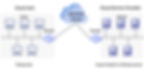
Cloud-managed LAN (Local Area Network) is revolutionizing the way organizations deploy, manage, and scale their network infrastructure. Traditional LAN setups often required on-premises hardware, manual configuration, and consistent oversight from IT staff. In contrast, a cloud-managed LAN utilizes cloud-based controllers to oversee and operate network devices like switches, routers, and access points. This approach allows for centralized management, improved visibility, and remote troubleshooting — all without needing physical access to the network environment. With businesses expanding and embracing remote work, the demand for such agile and scalable network solutions has grown significantly.
One of the core advantages of cloud-managed LAN is its ease of deployment and maintenance. IT administrators can configure and monitor network devices from a centralized dashboard, usually accessible via a web interface or mobile app. This level of convenience drastically reduces the time and resources needed to set up or update network settings. It also makes it easier to replicate configurations across multiple locations, ideal for enterprises with branch offices or remote teams. Furthermore, real-time analytics and automated alerts help IT teams detect and respond to issues quickly, ensuring network reliability and performance.
Scalability is another key feature of cloud-managed LAN systems. As businesses grow, they often need to add more users, devices, or locations. With a cloud-managed approach, new devices can be added seamlessly and configured automatically using pre-set templates. This flexibility supports rapid scaling without significant overhead or delays. In addition, firmware updates and security patches can be pushed to all devices simultaneously from the cloud, minimizing vulnerabilities and maintaining system integrity without disrupting business operations.
Security is a top concern for any IT infrastructure, and cloud-managed LAN solutions are equipped with robust security protocols. Many offer end-to-end encryption, user access controls, role-based policies, and integration with cloud-based security platforms. This comprehensive security architecture ensures that the entire network, from core switches to edge devices, remains protected against evolving cyber threats. Additionally, regular cloud backups and logs help with compliance and auditing processes, essential for industries with stringent regulatory requirements.
Cost efficiency is another driving factor behind the adoption of cloud-managed LAN systems. By shifting to a cloud-centric model, organizations can reduce their investment in on-site hardware and cut down on operational expenses associated with network maintenance. The subscription-based pricing model commonly associated with cloud-managed LAN platforms also offers predictability and flexibility, allowing businesses to pay only for the services and capacity they need.
Source - https://www.marketresearchfuture.com/reports/cloud-managed-lan-market-8186
Cloud-managed LAN offers a smart, scalable, and secure alternative to traditional network infrastructures. It empowers businesses with centralized control, enhanced visibility, and greater agility in managing their local networks. As organizations continue to embrace digital transformation and hybrid work environments, the demand for cloud-managed networking solutions is set to rise. With its blend of efficiency, performance, and flexibility, cloud-managed LAN is poised to become the standard for modern enterprise networking.